

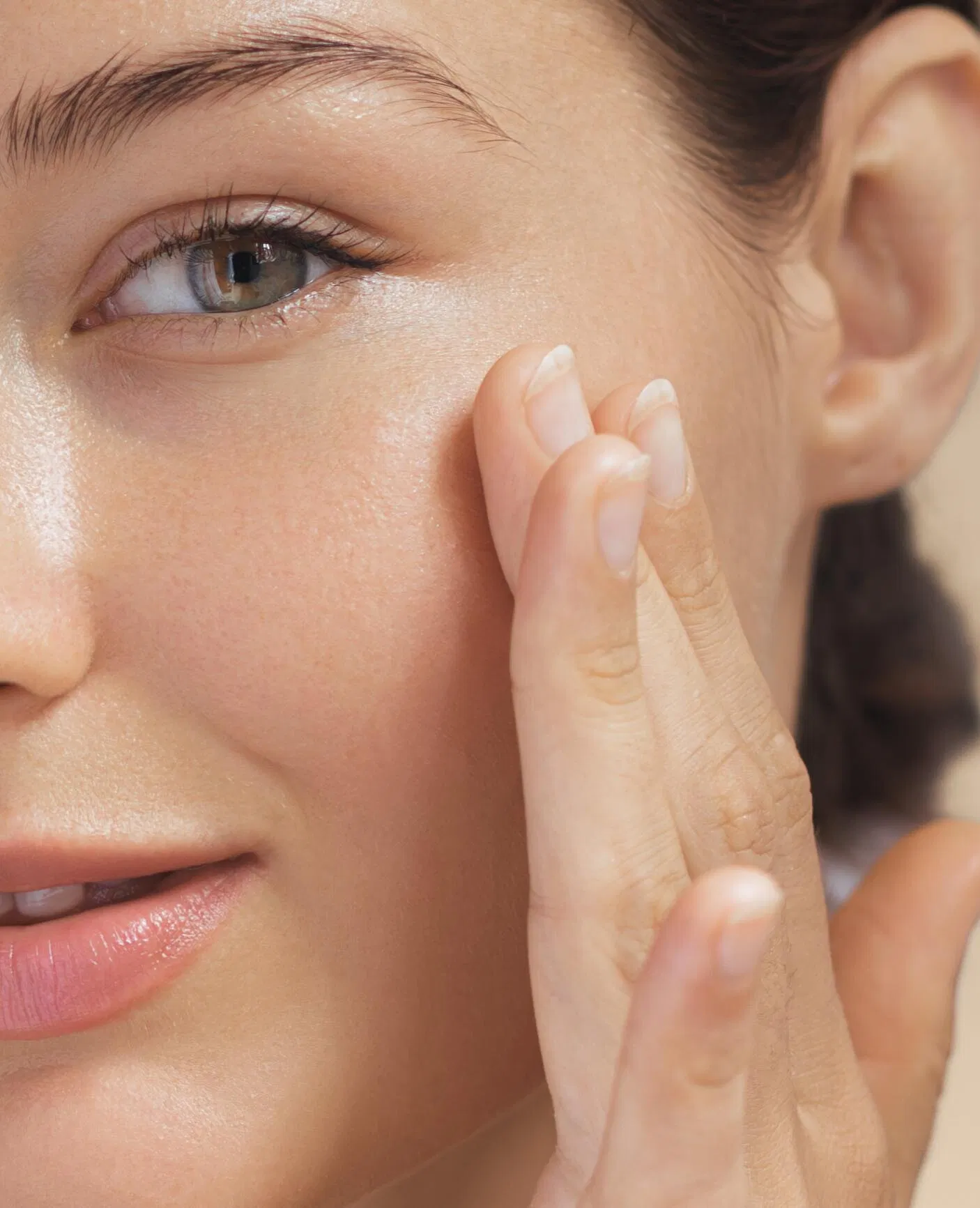
Hi there: have you noticed that your skin suddenly feels drier, thinner, more sensitive, or less firm than it used to? You’re not imagining it. Menopause can change your skin in noticeable ways, but there are thoughtful, evidence-informed steps that can help you restore comfort, support skin health, and maintain a naturally radiant appearance.
Menopause is a whole-body transition, and your skin is one of the places where hormonal changes can become visible. As estrogen levels decline, the skin may produce less collagen, hold less moisture, and repair itself more slowly. In fact, the American Academy of Dermatology reports that women can lose approximately 30% of their skin collagen during the first five years of menopause.
The good news? You have options: from a carefully curated medical-grade skincare routine to personalized professional treatments and a conversation about hormone health.
What Menopause Changes Under the Surface
Estrogen supports several important skin functions. It helps maintain collagen, elasticity, hydration, blood flow, and the skin barrier. When estrogen declines during perimenopause and menopause, those systems may gradually become less efficient.
You may notice:
- Increased dryness, tightness, or itching
- More visible fine lines and wrinkles
- A thinner or more fragile appearance
- Loss of firmness around the cheeks, jawline, and neck
- Dullness or uneven tone
- Greater sensitivity to products and environmental stressors
- Slower healing after irritation or procedures
A 2025 review in the Journal of Cosmetic Dermatology describes menopause-related changes in collagen, elasticity, hydration, skin thickness, and barrier function. It also emphasizes that every person’s experience is different, which is why a personalized plan matters.
Here are five science-backed ways to support your skin through this transition.
1. Rebuild Your Skin Barrier First
When your skin barrier is compromised, water escapes more easily and irritants can penetrate more readily. That can leave your complexion feeling tight, rough, reactive, or uncomfortable.
Start with the basics:
- Use a mild, non-soap cleanser.
- Wash with lukewarm: not hot: water.
- Avoid over-exfoliating or layering too many active ingredients.
- Apply moisturizer while your skin is still slightly damp.
- Look for barrier-supporting ingredients such as ceramides, glycerin, hyaluronic acid, and squalane.
A richer moisturizer is not always better for every skin type, but menopausal skin often benefits from more consistent hydration. Luminex’s Repair Moisturizer combines ceramides, peptides, antioxidants, and hydrators to nourish dry skin, support the barrier, and improve the look of elasticity and texture.
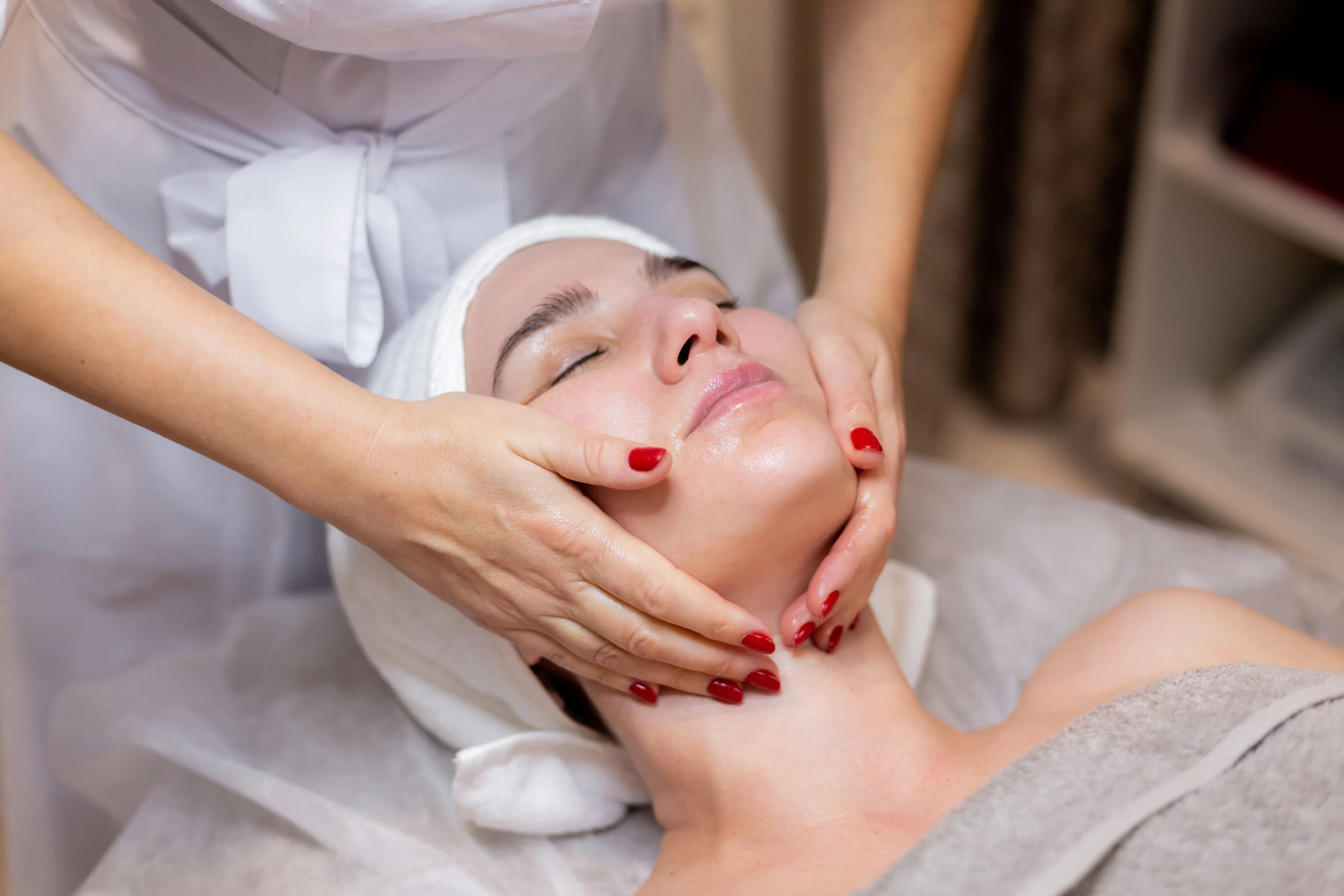
2. Add Collagen-Supporting Actives Slowly
As estrogen levels fall, collagen loss can accelerate. This may contribute to fine lines, reduced firmness, and a more crepey texture. Topical skincare cannot replace hormonal changes, but certain ingredients can support smoother, healthier-looking skin over time.
Retinoids
Retinol is one of the most studied topical ingredients for improving the appearance of fine lines and uneven texture. It works by encouraging skin renewal and supporting collagen production.
Because menopausal skin can be more delicate, begin gradually:
- Apply a small amount two nights per week.
- Use moisturizer before or after application if needed.
- Increase frequency only as your skin tolerates it.
- Wear sunscreen every morning.
Luminex’s Retinol PM Treatment Serum 5X is a high-potency overnight formula designed to smooth texture, minimize the appearance of fine lines, and promote a more radiant complexion.
Vitamin C and Peptides
Vitamin C can help support collagen production and protect skin from oxidative stress. Peptides may also support the appearance of firmer, more resilient skin. If you are using multiple actives, introduce one at a time so you can identify what works comfortably for you.
For morning antioxidant support, explore Luminex’s Vitamin C Brightening Serum. For a gentler hydration-focused option, the Hydrating B3 Serum is designed to support a healthier, more luminous look.
3. Make Sunscreen Non-Negotiable
Hormonal changes are only one part of the skin-aging process. Daily ultraviolet exposure also contributes to collagen breakdown, uneven pigmentation, loss of elasticity, and visible texture.
Use a broad-spectrum sunscreen with SPF 30 or higher every day, including on cloudy days and during the winter. Apply it to your face, neck, chest, hands, and any other exposed areas. Reapply when you are outdoors for extended periods, sweating, or swimming.
Sunscreen is one of the most effective ways to protect the progress you are making with skincare and professional treatments. It also helps prevent existing dark spots from becoming more noticeable.
Luminex offers several professional-grade options, including Mineral Defense Broad Spectrum Sunscreen and Tinted Mineral Defense, which adds a sheer universal tint while helping protect and nourish the skin.
4. Consider Professional Treatments for Texture and Firmness
When menopause-related changes involve more than surface dryness, professional treatments can offer targeted support. The right treatment depends on your skin thickness, tone, sensitivity, concerns, medical history, and desired level of downtime.
At Luminex, options may include customized face and skin treatments designed to improve texture, tone, clarity, and radiance. A Signature Glow Facial can refresh the complexion and support hydration, while a Regenerative Complexion Reset is designed to refine texture and promote a brighter, more refreshed appearance.
For collagen-focused treatment, microneedling uses fine sterile needles to create controlled micro-injuries that encourage the skin’s natural renewal process. It may help soften the appearance of fine lines, improve uneven texture, and support a firmer-looking complexion.
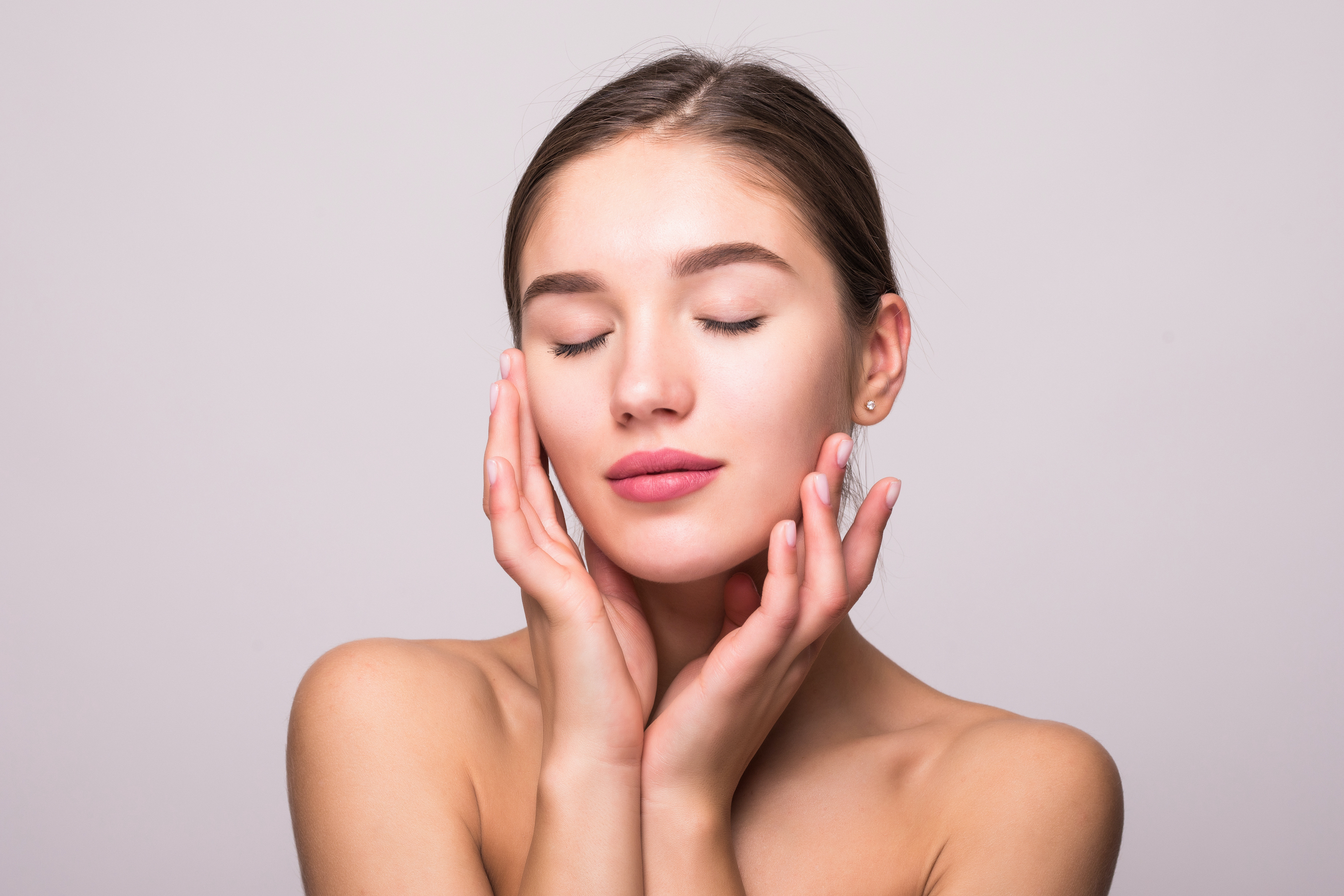
A consultation is an important first step, especially if your skin is thin, reactive, prone to hyperpigmentation, or healing more slowly. Professional guidance helps you choose an approach that feels safe, intentional, and aligned with your goals.
5. Look at Hormone Health as Part of the Bigger Picture
Your skin does not exist in isolation. Sleep changes, hot flashes, stress, nutrition, energy levels, and shifting hormones can all influence how you feel and how your skin looks.
Menopausal hormone therapy may improve certain aspects of skin quality for some patients, including hydration, collagen, thickness, and elasticity. However, hormone therapy should not be started solely for cosmetic reasons. It must be evaluated based on your symptoms, age, health history, risks, and goals.
The 2025 review noted that research on hormone therapy and skin benefits is promising but not entirely consistent. That makes an individualized medical consultation especially important. A qualified provider can discuss whether hormone evaluation or treatment may be appropriate for your broader health: not just your complexion.
You can begin by exploring Luminex’s hormone therapy quiz or learning more about Hormone Pellet Therapy. These resources are starting points for education, not a substitute for a one-on-one medical evaluation.
A Simple Menopause-Supportive Skin Routine
Morning
- Gentle cleanser: or simply rinse if your skin is very dry.
- Vitamin C or another antioxidant serum, if tolerated.
- Hydrating moisturizer with barrier-supporting ingredients.
- Broad-spectrum SPF 30 or higher.
Evening
- Gentle cleanser.
- Retinol two nights per week to start, if appropriate for you.
- Rich moisturizer to support comfort and hydration.
- On non-retinol nights, consider peptides or a nourishing barrier cream.
Keep your routine consistent before adding more products. Healthy-looking skin is usually supported by repeatable habits, not an overloaded shelf.
Your Skin Can Change Without Losing Its Character
Menopause-related skin changes are real, but they do not define your appearance. With the right education and professional support, you can improve hydration, soften visible texture, protect collagen, and feel more comfortable in your skin.
At Luminex Wellness & Aesthetics, our approach combines medical insight, advanced treatments, professional-grade skincare, and personalized guidance. Whether you are noticing dryness, fine lines, dullness, sensitivity, or changes in firmness, you do not have to figure out your next step alone.
Explore Luminex’s face and skin treatments or schedule an initial conversation to discover a plan designed around your needs, comfort, and natural-looking goals.
Sources
- American Academy of Dermatology: Caring for Your Skin in Menopause
- Managing Menopausal Skin Changes: A Narrative Review, Journal of Cosmetic Dermatology
- Treatment of Menopausal Skin: A Narrative Review of Existing Treatments, Controversies, and Future Perspectives
This article is for educational purposes only and is not a substitute for medical advice, diagnosis, or treatment. Speak with a qualified healthcare professional before starting hormone therapy, prescription skincare, supplements, or an in-office aesthetic treatment.